Buy izdirectory.com ?
We are moving the project
izdirectory.com .
Are you interested in purchasing the domain
izdirectory.com ?
domain@kv-gmbh.de · 0541-91531010
Buy izdirectory.com ?
What is combustion?
Combustion is a chemical reaction that occurs when a substance reacts with oxygen to produce heat and light. This reaction typically involves the rapid oxidation of a fuel source, such as wood, gasoline, or natural gas. Combustion is a key process in many everyday activities, such as burning fuel for transportation, heating homes, and cooking food. It is also a major source of energy production in power plants and engines. **
What is the difference between complete combustion and incomplete combustion?
Complete combustion occurs when a fuel burns in the presence of sufficient oxygen, resulting in the production of carbon dioxide and water as the only byproducts. In contrast, incomplete combustion happens when there is insufficient oxygen present during the burning process, leading to the formation of carbon monoxide, carbon particles, and other harmful pollutants in addition to carbon dioxide and water. Complete combustion is more efficient and cleaner, while incomplete combustion is less efficient and produces more pollutants. **


Similar search terms for Combustion
Top-Angebote
Products related to Combustion:
-
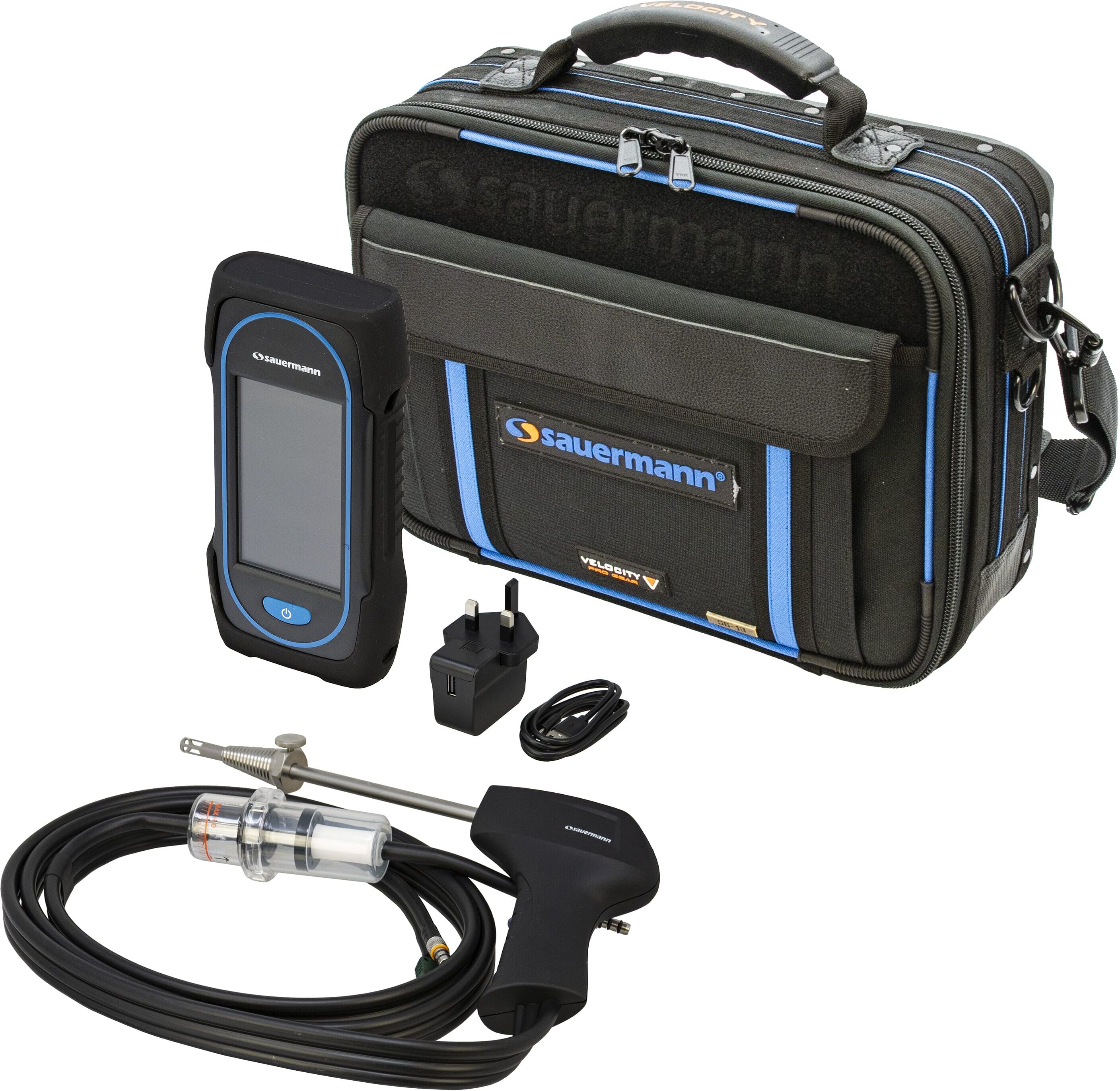
Sauermann Si-CA 130 Elite Combustion Flue Gas AnalyserSauermann Si-CA 130 Elite Combustion Flue Gas Analyser Multi-Gas Combustion Analysis for Residential & Commercial Systems The Sauermann Si-CA 130 Elite is an advanced combustion flue gas analyser in a compact, ergonomic package, built for residential and commercial gas system monitoring. The base unit ships with two field-replaceable sensors — O₂ and CO (up to 8,000 ppm) — with NO or low-range NO available to add a third sensor for accurate NOx measurement, including in low NOx or high moisture environments. Built-in diagnostics such as sensor life indicators and calibration reminders help minimise downtime. The analyser calculates CO₂ percentage, combustion efficiency and excess air, and measures draft and differential pressure. It also monitors CO and CO₂ in ambient air, giving a combined safety and performance tool for combustion e772,44 £*Shipping: 0,00 £Secure redirect to the provider
-
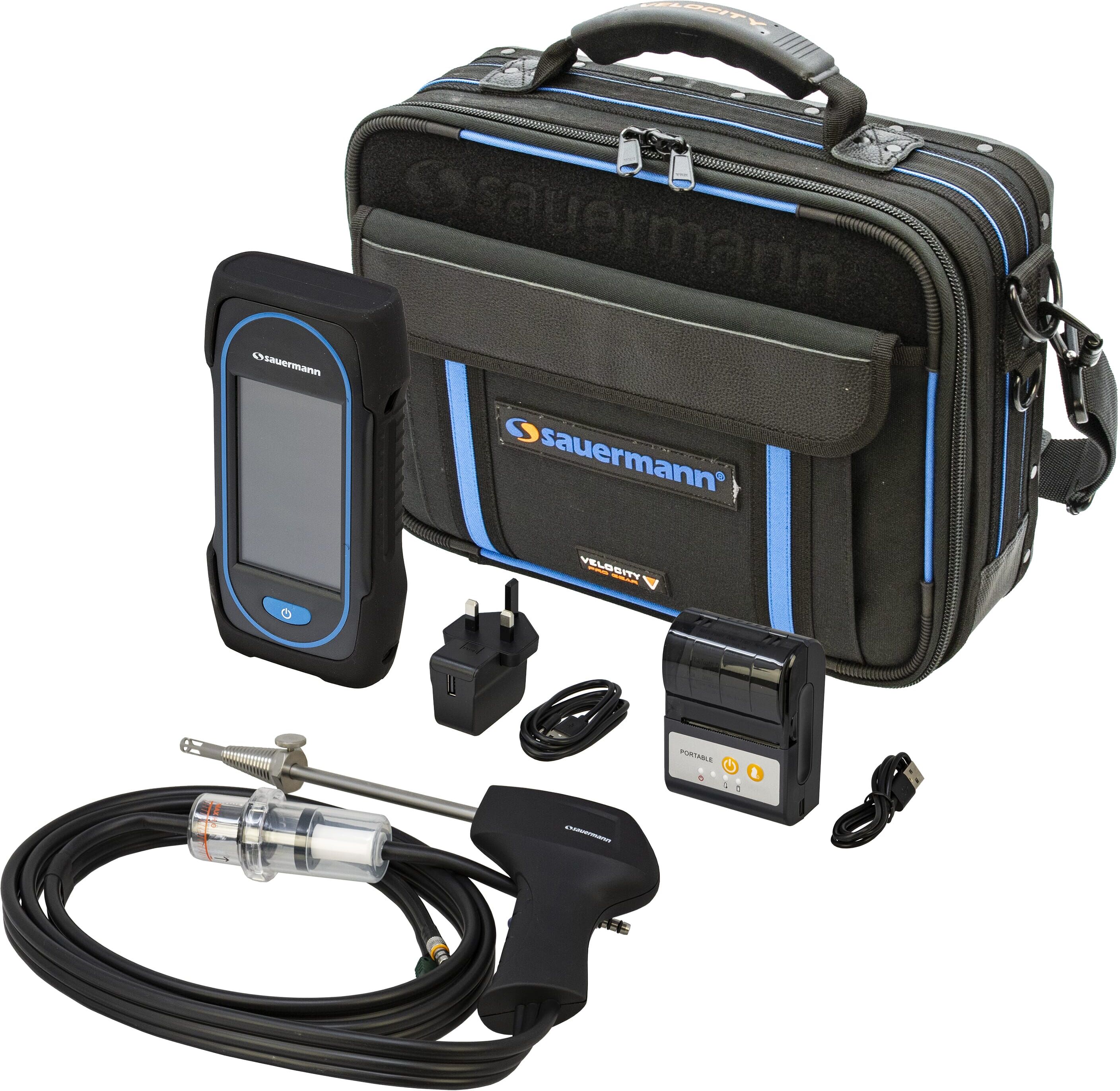
Sauermann Si-CA 130 Elite Combustion Flue Gas Analyser - Printer KitSauermann Si-CA 130 Elite Combustion Flue Gas Analyser – Printer Kit Multi-Gas Combustion Analysis for Residential & Commercial Systems The Sauermann Si-CA 130 Elite Printer Kit is an advanced combustion flue gas analyser in a compact, ergonomic package, built for residential and commercial gas system monitoring. The base unit ships with two field-replaceable sensors — O₂ and CO (up to 8,000 ppm) — with NO or low-range NO available to add a third sensor for accurate NOx measurement, including in low NOx or high moisture environments. Built-in diagnostics such as sensor life indicators and calibration reminders help minimise downtime. The analyser calculates CO₂ percentage, combustion efficiency and excess air, and measures draft and differential pressure. It also monitors CO and CO₂ in ambient air, giving a combined safety and perfo893,35 £*Shipping: 0,00 £Secure redirect to the provider
-
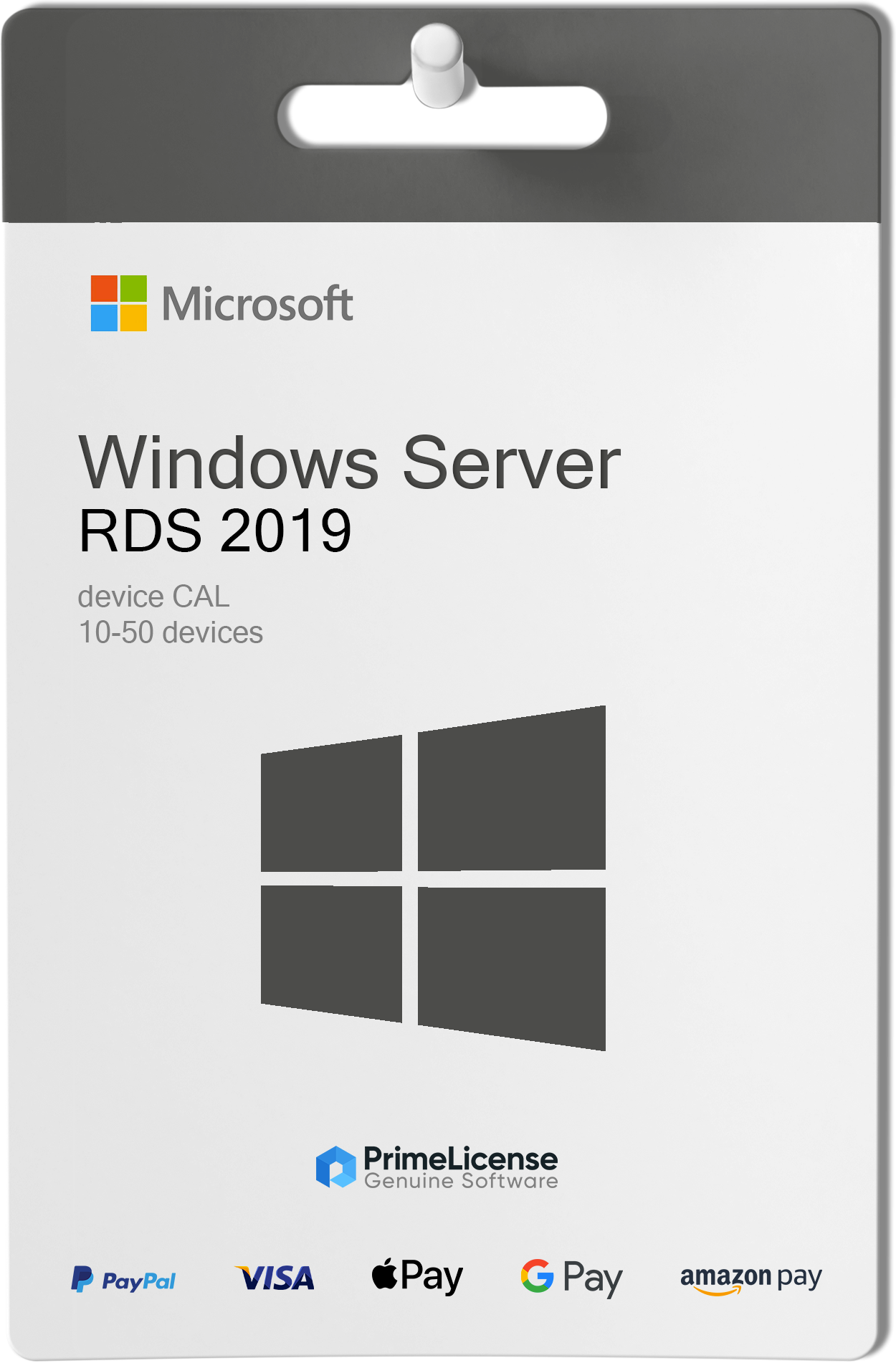
Microsoft Remote Desktop Services (RDS) 2019PLEASE NOTE: RDS CAL licences require technical activation in Server Manager. These licences are not the CAL versions required for Microsoft audits – a serial number is provided for activating user or device CALs in Windows Server environments. Windows Server Remote Desktop Services 2019 is a component of the Windows Server operating system that allows users to access applications and desktops remotely. It provides a secure and scalable solution for delivering virtual desktops, session-based desktops, and remote applications to users across different devices. Here is a detailed description of Windows Server Remote Desktop Services 2019: Remote Desktop Session Host (RDSH): RDSH is a role in Windows Server that enables multiple users to access Windows desktops and applications simultaneously on a Remote Desktop Session Host server. It allows for session-based desktop deployments where users connect to a shared server and run their applications within separate sessions. Remote Desktop Virtualization Host (RDVH): RDVH is a role in Windows Server that allows for the deployment of virtual desktop infrastructure (VDI). It enables users to connect to individual virtual machines running Windows and access a personalized desktop experience. RDVH supports both pooled and personal virtual desktop deployments. Remote Desktop Web Access (RD Web Access): RD Web Access is a web-based portal that provides users with access to RemoteApp programs, virtual desktops, and session-based desktops through a web browser. Users can launch applications and desktops without the need to install any additional software on their local devices. Remote Desktop Gateway (RD Gateway): RD Gateway acts as a secure gateway between remote clients and the internal network, providing a secure connection for remote desktop and application access. It uses the Remote Desktop Protocol (RDP) over HTTPS to establish encrypted connections and authenticate users before granting access to internal resources. Remote Desktop Connection Broker (RD Connection Broker): RD Connection Broker is responsible for load balancing and connection brokering in a Remote Desktop Services deployment. It ensures that users are connected to their existing sessions when reconnecting and distributes new connection requests across multiple session hosts for optimal resource utilization. Licensing: Remote Desktop Services requires appropriate licensing to ensure compliance. In the case of Windows Server 2019, you would need Remote Desktop Services Client Access Licenses (RDS CALs) to allow users or devices to access the server. There are both User CALs and Device CALs available, depending on the licensing model that suits your organization's needs. Overall, Windows Server Remote Desktop Services 2019 provides a comprehensive solution for remote access to applications and desktops, offering flexibility, security, and centralized management capabilities. It enables organizations to deliver a seamless and productive remote...68,90 £*Shipping: 0,00 £Secure redirect to the provider
-
Microsoft Remote Desktop Services 2025 (RDS)PLEASE NOTE: RDS CAL licences require technical activation in Server Manager. These licences are not the CAL versions required for Microsoft audits – a serial number is provided for activating user or device CALs in Windows Server environments. Microsoft Remote Desktop Services (RDS) licences for the 2025 edition represent a significant step towards innovation and efficiency in IT infrastructure management. Designed to optimise remote access and application virtualisation, these licences offer a range of advanced features and capabilities that can transform the way businesses operate. Innovation and Security Advanced Security: Windows Server 2025 introduces multi-layered security with features such as Credential Guard, which protects user credentials, and Hotpatch, which allows security updates to be applied without the need for a reboot. These innovations are key to preventing cyber-attacks and ensuring the protection of sensitive data13. HybridCloud Integration: The new RDS licences support simplified resource management in hybrid cloud environments, allowing businesses to easily connect local servers to Microsoft Azure. This integration unlocks the full potential of the cloud, improving scalability and flexibility of business operations13. Key Features Optimised Remote Access: RDS allows users to access desktops and applications from anywhere, improving productivity and collaboration across distributed teams. Thanks to application virtualisation, users can use software without having to install it locally46. Consistent User Interface: The user experience has been improved with an interface that reflects the Windows 11 style, making access to remote desktop services more intuitive. Features such as Bluetooth and Wi-Fi are now integrated, further facilitating connections34. Flexible Licensing: Client Access Licences ( CALs ) are available in various models, including per-device and per-user, allowing companies to choose the option that best suits their operational needs. This flexible approach facilitates the management of licences across multiple devices56. Product Capabilities RDS licences for Windows Server 2025 not only improve security and accessibility, but also offer significant opportunities to optimise operational costs. With centralised application management and simplified access to corporate resources, organisations can reduce downtime and improve overall efficiency. In summary, Microsoft Remote Desktop Services 2025 is a state-of-the-art solution for businesses looking to modernise their IT infrastructure while ensuring security, flexibility and high performance. With these licences, organisations can meet the challenges of modern remote working with confidence and preparedness.111,90 £*Shipping: 0,00 £Secure redirect to the provider

-
What is the difference between combustion energy and combustion enthalpy?
Combustion energy refers to the total energy released during a combustion reaction, including both the heat and light energy. It is the total amount of energy released when a substance undergoes combustion. On the other hand, combustion enthalpy refers to the heat energy released during a combustion reaction at constant pressure. It is the heat change that occurs during the combustion process. In summary, combustion energy includes all forms of energy released during combustion, while combustion enthalpy specifically refers to the heat energy released at constant pressure. **
-
What is produced during the combustion of a combustion engine?
During the combustion of a combustion engine, the primary products produced are carbon dioxide (CO2) and water (H2O). Additionally, small amounts of other gases such as carbon monoxide (CO), nitrogen oxides (NOx), and unburned hydrocarbons may also be produced. These emissions contribute to air pollution and have environmental impacts. Efforts are being made to reduce these emissions through the use of cleaner fuels and more efficient engine designs. **
-
'Hybrid or combustion engine?'
When deciding between a hybrid or combustion engine, it ultimately depends on your priorities and driving habits. Hybrid engines are more fuel-efficient and environmentally friendly, making them a good choice for city driving and stop-and-go traffic. On the other hand, combustion engines are typically more powerful and better suited for long-distance driving or towing heavy loads. Consider factors such as your daily commute, budget, and environmental concerns when choosing between the two. **
-
Electric or combustion engine?
The choice between an electric or combustion engine depends on various factors such as environmental impact, cost, and convenience. Electric engines are more environmentally friendly and have lower operating costs, but they may have limited range and longer refueling times. On the other hand, combustion engines have a longer range and quicker refueling times, but they produce more emissions and have higher operating costs. Ultimately, the decision between the two depends on individual needs and priorities. **


What is spontaneous combustion?
Spontaneous combustion is a phenomenon where a material self-ignites without an external heat source. This can occur when certain materials reach a critical temperature and combine with oxygen in the air, causing them to ignite. Common examples of materials that can undergo spontaneous combustion include oily rags, hay, and coal dust. Spontaneous combustion can be dangerous as it can lead to fires without any obvious ignition source. **
How can one detect the combustion products during the combustion of isooctane?
One can detect the combustion products during the combustion of isooctane by using techniques such as gas chromatography or mass spectrometry. These methods can analyze the composition of the gases produced during combustion and identify the specific combustion products. Additionally, techniques like infrared spectroscopy can be used to detect certain molecules based on their unique absorption spectra. By utilizing these analytical techniques, researchers can accurately identify and quantify the combustion products of isooctane. **
Top-Angebote
Products related to Combustion:
-
Kane KMCP35 Combustion Flexi Probe (CP35)Kane KMCP35 Combustion Flexi Probe (CP35) The Kane CP35 is a combustion probe with a flexible shaft and integral thermocouple, designed to reach awkward access points and test spots where a conventional solid probe won't fit. It has a 300mm flexible shaft, 8mm diameter, and a 1m neoprene hose. This probe is a direct accessory for Kane's 258 and 458s gas analysers. For other Kane models, the Kane SM11103 adapter is needed to ensure compatibility. Key Features & Benefits 300mm Flexible Shaft: Reaches difficult access points a rigid probe can't get into. 8mm Diameter: Slim design for insertion into various flue types. Integral Thermocouple: Simultaneous temperature measurement alongside combustion gas sampling.214,80 £*Shipping: 0,00 £Secure redirect to the provider
-
Sauermann Si-CA 030 Combustion Flue Gas Analyser - KIT2ACSauermann Si-CA 030 Combustion Flue Gas Analyser – KIT2AC The Sauermann Si-CA 030 is a compact combustion flue gas analyser built for heating engineers, gas installers and HVAC technicians carrying out boiler servicing, emissions monitoring and combustion efficiency testing on residential and commercial heating systems. It supports up to three gas sensors — O₂, CO (up to 8,000 ppm), and an optional NO sensor for calculating NOx — giving a comprehensive picture of combustion through CO₂ percentage, combustion efficiency, excess air and draft pressure. The colour display connects wirelessly to a phone via the Sauermann Combustion app, which allows remote control of the analyser, real-time monitoring, data logging and automatic report generation in PDF or CSV formats. Built for field use, the analyser weighs just 350g and comes with a445,13 £*Shipping: 0,00 £Secure redirect to the provider
-
Sauermann Si-CA 130 Elite Combustion Flue Gas AnalyserSauermann Si-CA 130 Elite Combustion Flue Gas Analyser Multi-Gas Combustion Analysis for Residential & Commercial Systems The Sauermann Si-CA 130 Elite is an advanced combustion flue gas analyser in a compact, ergonomic package, built for residential and commercial gas system monitoring. The base unit ships with two field-replaceable sensors — O₂ and CO (up to 8,000 ppm) — with NO or low-range NO available to add a third sensor for accurate NOx measurement, including in low NOx or high moisture environments. Built-in diagnostics such as sensor life indicators and calibration reminders help minimise downtime. The analyser calculates CO₂ percentage, combustion efficiency and excess air, and measures draft and differential pressure. It also monitors CO and CO₂ in ambient air, giving a combined safety and performance tool for combustion e772,44 £*Shipping: 0,00 £Secure redirect to the provider
-
Sauermann Si-CA 130 Elite Combustion Flue Gas Analyser - Printer KitSauermann Si-CA 130 Elite Combustion Flue Gas Analyser – Printer Kit Multi-Gas Combustion Analysis for Residential & Commercial Systems The Sauermann Si-CA 130 Elite Printer Kit is an advanced combustion flue gas analyser in a compact, ergonomic package, built for residential and commercial gas system monitoring. The base unit ships with two field-replaceable sensors — O₂ and CO (up to 8,000 ppm) — with NO or low-range NO available to add a third sensor for accurate NOx measurement, including in low NOx or high moisture environments. Built-in diagnostics such as sensor life indicators and calibration reminders help minimise downtime. The analyser calculates CO₂ percentage, combustion efficiency and excess air, and measures draft and differential pressure. It also monitors CO and CO₂ in ambient air, giving a combined safety and perfo893,35 £*Shipping: 0,00 £Secure redirect to the provider
-
What is combustion?
Combustion is a chemical reaction that occurs when a substance reacts with oxygen to produce heat and light. This reaction typically involves the rapid oxidation of a fuel source, such as wood, gasoline, or natural gas. Combustion is a key process in many everyday activities, such as burning fuel for transportation, heating homes, and cooking food. It is also a major source of energy production in power plants and engines. **
-
What is the difference between complete combustion and incomplete combustion?
Complete combustion occurs when a fuel burns in the presence of sufficient oxygen, resulting in the production of carbon dioxide and water as the only byproducts. In contrast, incomplete combustion happens when there is insufficient oxygen present during the burning process, leading to the formation of carbon monoxide, carbon particles, and other harmful pollutants in addition to carbon dioxide and water. Complete combustion is more efficient and cleaner, while incomplete combustion is less efficient and produces more pollutants. **
-
What is the difference between combustion energy and combustion enthalpy?
Combustion energy refers to the total energy released during a combustion reaction, including both the heat and light energy. It is the total amount of energy released when a substance undergoes combustion. On the other hand, combustion enthalpy refers to the heat energy released during a combustion reaction at constant pressure. It is the heat change that occurs during the combustion process. In summary, combustion energy includes all forms of energy released during combustion, while combustion enthalpy specifically refers to the heat energy released at constant pressure. **
-
What is produced during the combustion of a combustion engine?
During the combustion of a combustion engine, the primary products produced are carbon dioxide (CO2) and water (H2O). Additionally, small amounts of other gases such as carbon monoxide (CO), nitrogen oxides (NOx), and unburned hydrocarbons may also be produced. These emissions contribute to air pollution and have environmental impacts. Efforts are being made to reduce these emissions through the use of cleaner fuels and more efficient engine designs. **
Similar search terms for Combustion
-
Microsoft Remote Desktop Services (RDS) 2019PLEASE NOTE: RDS CAL licences require technical activation in Server Manager. These licences are not the CAL versions required for Microsoft audits – a serial number is provided for activating user or device CALs in Windows Server environments. Windows Server Remote Desktop Services 2019 is a component of the Windows Server operating system that allows users to access applications and desktops remotely. It provides a secure and scalable solution for delivering virtual desktops, session-based desktops, and remote applications to users across different devices. Here is a detailed description of Windows Server Remote Desktop Services 2019: Remote Desktop Session Host (RDSH): RDSH is a role in Windows Server that enables multiple users to access Windows desktops and applications simultaneously on a Remote Desktop Session Host server. It allows for session-based desktop deployments where users connect to a shared server and run their applications within separate sessions. Remote Desktop Virtualization Host (RDVH): RDVH is a role in Windows Server that allows for the deployment of virtual desktop infrastructure (VDI). It enables users to connect to individual virtual machines running Windows and access a personalized desktop experience. RDVH supports both pooled and personal virtual desktop deployments. Remote Desktop Web Access (RD Web Access): RD Web Access is a web-based portal that provides users with access to RemoteApp programs, virtual desktops, and session-based desktops through a web browser. Users can launch applications and desktops without the need to install any additional software on their local devices. Remote Desktop Gateway (RD Gateway): RD Gateway acts as a secure gateway between remote clients and the internal network, providing a secure connection for remote desktop and application access. It uses the Remote Desktop Protocol (RDP) over HTTPS to establish encrypted connections and authenticate users before granting access to internal resources. Remote Desktop Connection Broker (RD Connection Broker): RD Connection Broker is responsible for load balancing and connection brokering in a Remote Desktop Services deployment. It ensures that users are connected to their existing sessions when reconnecting and distributes new connection requests across multiple session hosts for optimal resource utilization. Licensing: Remote Desktop Services requires appropriate licensing to ensure compliance. In the case of Windows Server 2019, you would need Remote Desktop Services Client Access Licenses (RDS CALs) to allow users or devices to access the server. There are both User CALs and Device CALs available, depending on the licensing model that suits your organization's needs. Overall, Windows Server Remote Desktop Services 2019 provides a comprehensive solution for remote access to applications and desktops, offering flexibility, security, and centralized management capabilities. It enables organizations to deliver a seamless and productive remote...68,90 £*Shipping: 0,00 £Secure redirect to the provider
-
Microsoft Remote Desktop Services 2025 (RDS)PLEASE NOTE: RDS CAL licences require technical activation in Server Manager. These licences are not the CAL versions required for Microsoft audits – a serial number is provided for activating user or device CALs in Windows Server environments. Microsoft Remote Desktop Services (RDS) licences for the 2025 edition represent a significant step towards innovation and efficiency in IT infrastructure management. Designed to optimise remote access and application virtualisation, these licences offer a range of advanced features and capabilities that can transform the way businesses operate. Innovation and Security Advanced Security: Windows Server 2025 introduces multi-layered security with features such as Credential Guard, which protects user credentials, and Hotpatch, which allows security updates to be applied without the need for a reboot. These innovations are key to preventing cyber-attacks and ensuring the protection of sensitive data13. HybridCloud Integration: The new RDS licences support simplified resource management in hybrid cloud environments, allowing businesses to easily connect local servers to Microsoft Azure. This integration unlocks the full potential of the cloud, improving scalability and flexibility of business operations13. Key Features Optimised Remote Access: RDS allows users to access desktops and applications from anywhere, improving productivity and collaboration across distributed teams. Thanks to application virtualisation, users can use software without having to install it locally46. Consistent User Interface: The user experience has been improved with an interface that reflects the Windows 11 style, making access to remote desktop services more intuitive. Features such as Bluetooth and Wi-Fi are now integrated, further facilitating connections34. Flexible Licensing: Client Access Licences ( CALs ) are available in various models, including per-device and per-user, allowing companies to choose the option that best suits their operational needs. This flexible approach facilitates the management of licences across multiple devices56. Product Capabilities RDS licences for Windows Server 2025 not only improve security and accessibility, but also offer significant opportunities to optimise operational costs. With centralised application management and simplified access to corporate resources, organisations can reduce downtime and improve overall efficiency. In summary, Microsoft Remote Desktop Services 2025 is a state-of-the-art solution for businesses looking to modernise their IT infrastructure while ensuring security, flexibility and high performance. With these licences, organisations can meet the challenges of modern remote working with confidence and preparedness.111,90 £*Shipping: 0,00 £Secure redirect to the provider
-
Microsoft Remote Desktop Services (RDS) 2022PLEASE NOTE: RDS CAL licences require technical activation in Server Manager. These licences are not the CAL versions required for Microsoft audits – a serial number is provided for activating user or device CALs in Windows Server environments. Windows Server Remote Desktop Services (RDS) 2022 is a powerful server-based virtualization technology that enables users to access Windows desktops, applications, and data remotely from various devices. It allows organizations to deliver a rich virtual desktop infrastructure (VDI) or session-based desktops to end-users, providing a flexible and secure remote computing solution. Key Features of Windows Server Remote Desktop Services 2022: Virtual Desktop Infrastructure (VDI): Windows Server RDS 2022 allows administrators to create and manage virtual desktops that can be accessed remotely by end-users. VDI enables personalized desktop experiences and allows users to access their virtual desktops from different devices, providing a consistent and productive environment. Session-based Desktops: In addition to VDI, RDS 2022 supports session-based desktops. Session-based desktops enable multiple users to share a single server operating system while maintaining separate user sessions. This allows efficient utilization of server resources and enables cost-effective desktop delivery. RemoteApp: With RemoteApp, administrators can virtualize and deliver individual applications from a server to end-user devices. RemoteApp provides a seamless application experience, allowing users to access specific applications without the need to access an entire desktop. This feature enhances flexibility and simplifies application management. RemoteFX: RemoteFX is a technology included in Windows Server RDS 2022 that enhances the remote desktop experience by providing high-quality multimedia and graphics capabilities. It enables smooth video playback, USB redirection, and multi-monitor support, making the remote desktop experience feel more like a local desktop environment. Remote Desktop Gateway: The Remote Desktop Gateway (RD Gateway) component in RDS 2022 allows secure remote access to internal network resources over the internet. It acts as a gateway server that provides a single point of entry for remote desktop connections, ensuring encrypted and authenticated access to virtual desktops or session-based desktops. Remote Desktop Web Access: RDS 2022 includes a web-based portal called Remote Desktop Web Access (RD Web Access) that allows users to access their virtual desktops, RemoteApp programs, and published resources through a web browser. It provides a convenient and platform-independent way for users to connect to their remote desktops and applications. Scalability and Load Balancing: Windows Server RDS 2022 supports scaling and load balancing to optimize resource utilization and ensure high availability. Administrators can distribute user sessions across multiple servers, ensuring efficient use of hardware resources and...102,90 £*Shipping: 0,00 £Secure redirect to the provider
-
'Hybrid or combustion engine?'
When deciding between a hybrid or combustion engine, it ultimately depends on your priorities and driving habits. Hybrid engines are more fuel-efficient and environmentally friendly, making them a good choice for city driving and stop-and-go traffic. On the other hand, combustion engines are typically more powerful and better suited for long-distance driving or towing heavy loads. Consider factors such as your daily commute, budget, and environmental concerns when choosing between the two. **
-
Electric or combustion engine?
The choice between an electric or combustion engine depends on various factors such as environmental impact, cost, and convenience. Electric engines are more environmentally friendly and have lower operating costs, but they may have limited range and longer refueling times. On the other hand, combustion engines have a longer range and quicker refueling times, but they produce more emissions and have higher operating costs. Ultimately, the decision between the two depends on individual needs and priorities. **
-
What is spontaneous combustion?
Spontaneous combustion is a phenomenon where a material self-ignites without an external heat source. This can occur when certain materials reach a critical temperature and combine with oxygen in the air, causing them to ignite. Common examples of materials that can undergo spontaneous combustion include oily rags, hay, and coal dust. Spontaneous combustion can be dangerous as it can lead to fires without any obvious ignition source. **
-
How can one detect the combustion products during the combustion of isooctane?
One can detect the combustion products during the combustion of isooctane by using techniques such as gas chromatography or mass spectrometry. These methods can analyze the composition of the gases produced during combustion and identify the specific combustion products. Additionally, techniques like infrared spectroscopy can be used to detect certain molecules based on their unique absorption spectra. By utilizing these analytical techniques, researchers can accurately identify and quantify the combustion products of isooctane. **
* All prices are inclusive of VAT and, if applicable, plus shipping costs. The offer information is based on the details provided by the respective shop and is updated through automated processes. Real-time updates do not occur, so deviations can occur in individual cases. ** Note: Parts of this content were created by AI.